


Twin Bridges Golf Club

Rating Snapshot


About
| Tee | Par | Length | Rating | Slope |
|---|---|---|---|---|
| Gold | 72 | 6734 yards | 72.1 | 132 |
| Blue | 72 | 6263 yards | 70.0 | 129 |
| White | 72 | 5558 yards | 66.7 | 121 |
| Red | 72 | 4753 yards | 68.3 | 115 |
| Hole | 1 | 2 | 3 | 4 | 5 | 6 | 7 | 8 | 9 | Out | 10 | 11 | 12 | 13 | 14 | 15 | 16 | 17 | 18 | In | Total |
|---|---|---|---|---|---|---|---|---|---|---|---|---|---|---|---|---|---|---|---|---|---|
| Gold M: 72.8/133 | 357 | 335 | 186 | 348 | 554 | 576 | 407 | 191 | 447 | 3401 | 434 | 512 | 186 | 322 | 394 | 477 | 170 | 410 | 428 | 3333 | 6734 |
| Gold/Blue M: 71.7/132 | 357 | 319 | 186 | 348 | 554 | 550 | 351 | 191 | 428 | 3284 | 407 | 512 | 154 | 322 | 372 | 477 | 170 | 390 | 403 | 3207 | 6491 |
| Blue M: 70.6/130 | 339 | 319 | 171 | 324 | 521 | 550 | 351 | 180 | 428 | 3183 | 407 | 489 | 154 | 307 | 372 | 464 | 145 | 390 | 403 | 3131 | 6314 |
| Blue/White M: 69.5/129 | 339 | 297 | 171 | 324 | 521 | 462 | 340 | 180 | 367 | 3001 | 375 | 489 | 132 | 307 | 340 | 464 | 145 | 365 | 362 | 2979 | 5980 |
| White M: 67.0/121 | 314 | 297 | 132 | 300 | 440 | 462 | 340 | 146 | 367 | 2798 | 375 | 457 | 132 | 299 | 340 | 440 | 142 | 365 | 362 | 2912 | 5710 |
| White/Grey M: 66.3/119 | 314 | 244 | 132 | 300 | 440 | 432 | 297 | 146 | 337 | 2642 | 330 | 457 | 122 | 299 | 296 | 440 | 142 | 335 | 332 | 2753 | 5395 |
| Grey M: 63.5/112 | 276 | 244 | 120 | 267 | 398 | 432 | 297 | 138 | 337 | 2509 | 330 | 412 | 122 | 250 | 296 | 405 | 135 | 335 | 332 | 2617 | 5126 |
| Grey/Red M: 62.3/111 | 276 | 230 | 120 | 267 | 398 | 360 | 263 | 138 | 313 | 2365 | 305 | 412 | 114 | 250 | 269 | 405 | 135 | 273 | 297 | 2460 | 4825 |
| Red M: 63.5/112 W: 67.5/118 | 244 | 230 | 79 | 238 | 350 | 360 | 263 | 110 | 313 | 2187 | 305 | 367 | 114 | 226 | 269 | 373 | 124 | 273 | 297 | 2348 | 4535 |
| Red/Purple M: 58.7/106 W: 60.0/107 | 244 | 210 | 79 | 238 | 350 | 285 | 210 | 110 | 260 | 1986 | 240 | 367 | 80 | 226 | 225 | 373 | 124 | 230 | 265 | 2130 | 4116 |
| Purple M: 57.6/105 W: 58.9/106 | 200 | 210 | 70 | 210 | 300 | 285 | 210 | 100 | 260 | 1845 | 240 | 290 | 80 | 190 | 225 | 312 | 90 | 230 | 265 | 1922 | 3767 |
| Purple/Orange M: 56.4/104 W: 57.7/105 | 200 | 175 | 70 | 210 | 255 | 245 | 190 | 100 | 220 | 1665 | 190 | 290 | 50 | 190 | 195 | 312 | 90 | 200 | 215 | 1732 | 3397 |
| Orange M: 55.3/103 W: 56.6/104 | 170 | 175 | 60 | 160 | 255 | 245 | 190 | 85 | 220 | 1560 | 190 | 250 | 50 | 160 | 195 | 260 | 75 | 200 | 215 | 1595 | 3155 |
| Handicap | 17 | 9 | 15 | 11 | 1 | 5 | 7 | 13 | 3 | 2 | 8 | 18 | 16 | 12 | 10 | 14 | 4 | 6 | |||
| Par | 4 | 4 | 3 | 4 | 5 | 5 | 4 | 3 | 4 | 36 | 4 | 5 | 3 | 4 | 4 | 5 | 3 | 4 | 4 | 36 | 72 |
Course Details
Rentals/Services
Practice/Instruction
Policies
Food & Beverage
Bar, GrillAccolades
-
Golf Advisor: Top Courses in Alabama (2016 #11)
Reviews
Reviewer Photos

Great Muni in Gadsden, AL
As golf destinations go, Gadsden, AL is well down most golfers’ list; if it weren’t for the Robert Trent Jones Golf Trail, it probably wouldn’t even be on the radar. And, if the truth be told, the RTJ Trail course at Silver Lakes is what keeps golfers coming back.
Another course in the area that is worth at least one visit on your trip is Twin Bridges Golf Club which is owned by the city of Gadsden and, as municipal courses go, it’s quite a pleasant surprise.
As you stand on the verandah behind the clubhouse, you can tell that there are some significant elevation changes in-store and as you make your way around, you won’t be disappointed. You’ll also encounter several hidden hazards such as the creek that crosses the fairway in front of the 7th green. It could be a problem if you’re long off the tee. Looking at the scorecard, Twin Bridges gives you 13 different yardages to choose from.
One very memorable hole is Number 5, a 521-yard par 5 that is chock full of pitfalls. Standing on the tee box, there seems to be only a small landing area, with a sad trap encroaching on the left side and wetlands on the right. Believe me, there is plenty of room; just carry the trap. Push your drive right and you’ll likely never see it again. Choose your layup stick carefully; you’ll want to hit it short of the wetlands that front the green while at the same time avoiding the bunkers on either side. A single deep bunker guards the front right side of the green.
Number 11 is another challenging par 5. There’s a canal all the way down the right side that shouldn’t come into play until your second shot and a good drive will allow you to get home in two. There are pine trees that seemingly stand in the middle of the fairway if you hit your ball down the right side. There’s also a large gap between the pine trees and the woods on the right which can create a clear shot to go for the green in two. The well-undulated green sits elevated above the fairway and may require an extra club. A large bunker guards the front. Par is a good score here.
Unfortunately, Twin Bridges doesn’t offer accommodations however the nearby Holiday Inn Express and Suites is a great place for golfers. Not only do they offer freshly appointed rooms and a hot breakfast buffet, but they are also conveniently located to both Twin Bridges Golf Club (15 minutes) and Silver Lakes (20 minutes).
Holiday Inn Express goes the extra mile with the little things, like free coffee and tea and Wi-Fi connections in every room and common area. The rooms are spacious with either 1 king or two queen beds that are extremely comfortable 50" TVs, Keurig coffeemakers, and best of all, lots of outlets. The black-out shades are a nice touch and keep the room dark at night.
Rain day
Course was open but was to wet to play and weather was looking bad didn't play
Cancelled
The pro shop called 3 hours before our tee time and let me know there was a tournament and the tee time I PAID. For wasn’t available.
Who do I contact to receive a refund?
Thank you for your time.

Very Enjoyable experience
Course was in very good shape and the greens were receptive. Great track! I would play it again.
Twin Bridges
Very good course for the money. The staff really works hard to keep this place in shape. Located on the banks of the Coosa River this course offers many different scenic views and various types of wildlife can be observed. As far as golfing goes, this course is very playable no matter if you’re scratch or a 20 handicap. The layout is very straightforward and the newly renovated greens are very true. All around great course especially when you can get the hot deal price.
New greens to pricey
Played here last year and again after new greens.....This course is a Great $30 Track but $45 is a tad on the pricey side and for that amount I would rather experience the RTJ trail.......wake up every tee time you done sell is zero dollars in the cash register......I'll never play it again for that price............
TEMP GREENS
Course overall was in really nice shape BUT they have temp greens in they had redone their greens and won't be ready till first week of September
A good day of golf.
The golf course @ Twin Bridges in Gadsden, Alabama is a great layout. The course conditions are great from tee to green. The bunkers are very playable.. The main problem for our group was the greens. The heat is bad even for the Auburn Hybrid Bent Grass. The staff was friendly and professional. Truth is a round of golf with friends is always good.


Robert Trent Jones Golf Trail – Gadsden Golf Around Package
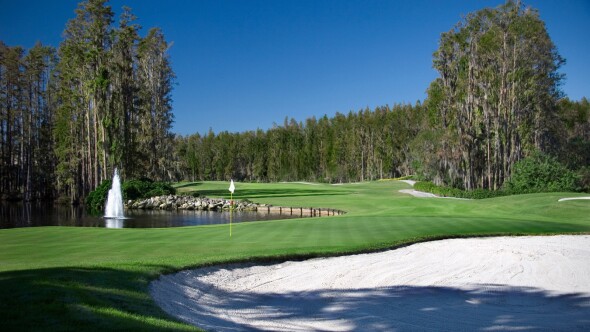
Saddlebrook Preferred Golfer Experience Package
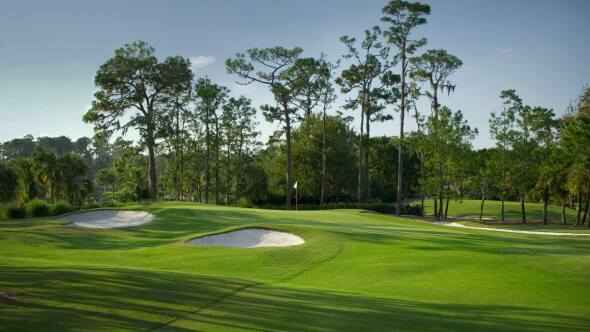
Saddlebrook Value Golfer Experience Package

Robert Trent Jones Golf Trail – Best of Birmingham Package
